

Hotels and resorts
Support for hospitality environments where screening must be discreet, controlled, and respectful of the guest experience.
General public intake is closed. Existing obligations and selected specialist consultancy follow the current K9 route.
Current roleDetection K9 professional record
This page preserves VONFIDEL K9 experience in canine detection for sensitive environments, including screening, deterrence, documentation, confidentiality, and handler discipline. Present-day enquiries are considered only within the selected specialist consultancy scope.
Capability context
Detection dogs can support screening and deterrence where speed, mobility, and discretion matter. Any capability must be planned, documented, and matched to the site's operating reality.
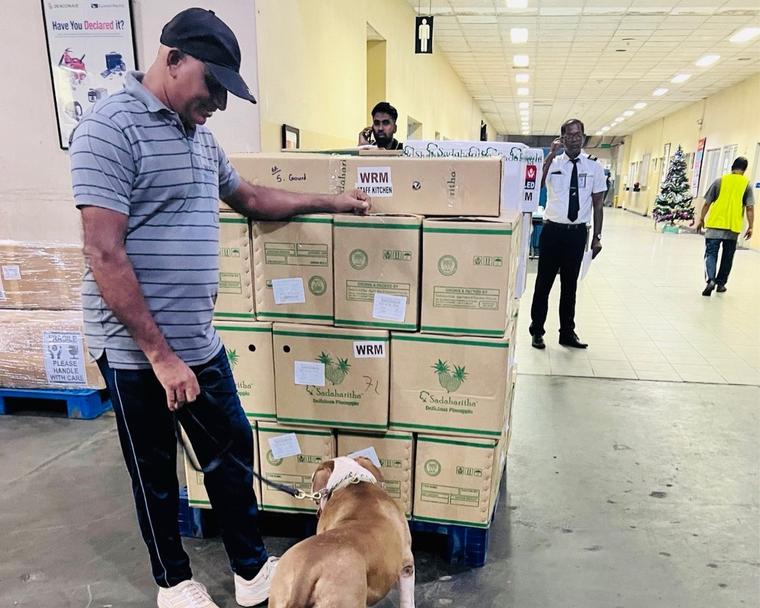
Operating contexts
The professional record covers settings where canine capability may form an additional screening layer, a visible deterrent, or part of a documented security process.
Support for hospitality environments where screening must be discreet, controlled, and respectful of the guest experience.
Canine screening may support arrival areas, vehicle movement, venue sweeps, and VIP-related security planning.
Any capability review must account for security requirements, confidentiality, and operational discipline.
Deployment discipline
The dog is one part of the capability. Planning, handler discipline, welfare, records, and procedures determine whether the team can be used responsibly.
Review the venue, objective, movement patterns, sensitive areas, and limits of the engagement.
Clarify routes, timing, access control, handler responsibilities, and reporting expectations.
Maintain logs, observations, proficiency checks, and incident reporting where required by scope.
Canine welfare
Working dogs need appropriate handling, conditioning, rest, veterinary care, and duty-cycle discipline. Their physical and emotional condition directly affects search quality.
Operational context
Discretion, records, and control matter more than dramatic presentation. A serious review asks whether canine capability suits the site, integrates with its procedures, and is supported by accountable handlers.
A detection dog should support the security plan, not replace it. The work has to fit the site, the movement, the people, and the responsibility involved.
Current specialist review
Selected consultancy may review the venue, security objective, stakeholders, access points, timing, confidentiality, and reporting needs. An enquiry does not create an operational deployment, screening service, certification, or guarantee.
Where a responsible authority uses canine screening, it should be integrated with venue procedures, access management, security personnel, and emergency response expectations.
Next step
This page preserves specialist detection experience within the K9 record. Any present-day matter is considered only through the selected consultancy scope and must be suitable, lawful, and responsibly defined.