Suitability
Not every dog needs the same programme. Intake and assessment help prevent mismatched training plans.
General public intake is closed. Existing obligations and selected specialist consultancy follow the current K9 route.
Current roleA controlled training journey
This retained record documents the path used for accepted VONFIDEL K9 work: intake, assessment, structured training, owner transfer, and continuity after handover.
Refined through practice
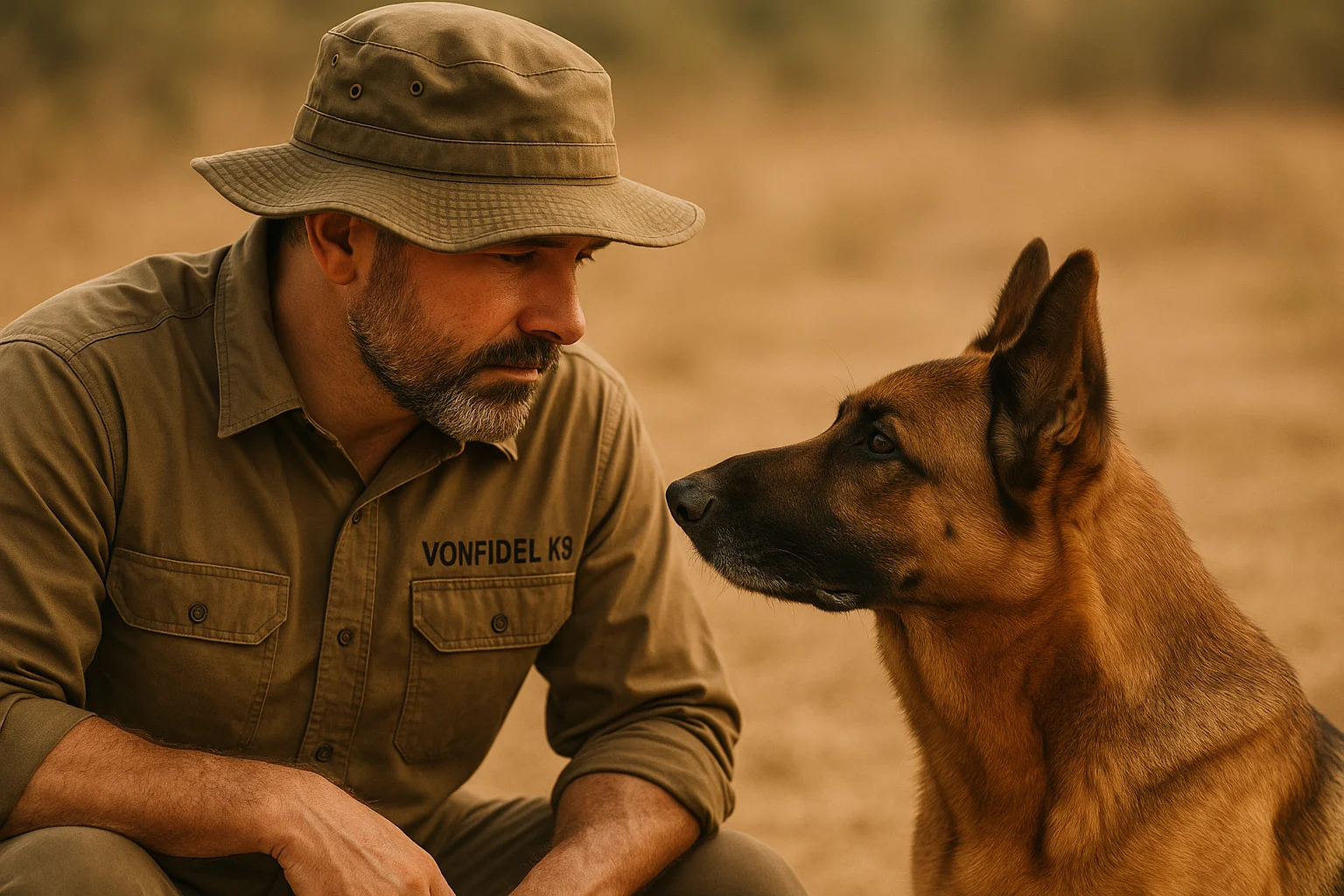
The first job is to understand the dog, the owner, the home environment, and the outcome being requested. Some dogs need foundation obedience. Some need confidence and structure. Some need behaviour rehabilitation, professional assessment, or a more careful training path.
The process is where The Fidelity Method becomes practical: trust before pressure, clarity before correction, balance before performance, and responsibility after training.
Engagement sequence
This is not a casual drop-off service. Each stage is designed to protect suitability, welfare, training quality, and the owner's ability to maintain the result.
The first conversation establishes scope. We listen to the issue, clarify what you want the dog to achieve, and confirm whether VONFIDEL K9 is the right fit before asking you to proceed further.
For selected specialist matters, first review canine consultancy, then provide the dog’s history, setting, decision, and consequence that require professional review.
The wider principles behind assessment, welfare, handler responsibility, and professional boundaries are set out in the VONFIDEL K9 Standards.
Fees and assessment terms were confirmed before accepted work began. Any present-day specialist matter is scoped individually through the current consultancy route.
A dog was admitted only when the team had enough information to work responsibly. The assessment covered temperament, stress response, handler sensitivity, environmental confidence, and training readiness. The field note How Temperament Is Assessed Before a Programme Is Named explains what is being read before a training route is recommended.
Training is built through controlled exposure, clear communication, repetition, rest, and progressive proofing. The goal is not performance for the camera; it is behaviour that holds under real conditions.
The owner is taught how to handle the dog, how to preserve the rules, and how to avoid undoing the work. A trained dog still needs a clear human system at home.
The retained process included owner guidance and, where agreed, follow-up work intended to protect the dog's progress. Current obligations follow the terms already agreed with the client.
What the process protects
A good process prevents rushed promises. It gives the dog a fair entry point, gives the owner a clear expectation, and gives the training team a responsible framework for building behaviour that can survive real life.
Not every dog needs the same programme. Intake and assessment help prevent mismatched training plans.
Training is structured around clarity, emotional balance, and responsible pressure management.
The result must transfer back to the owner, the home, and the dog's normal environment.
The environment matters
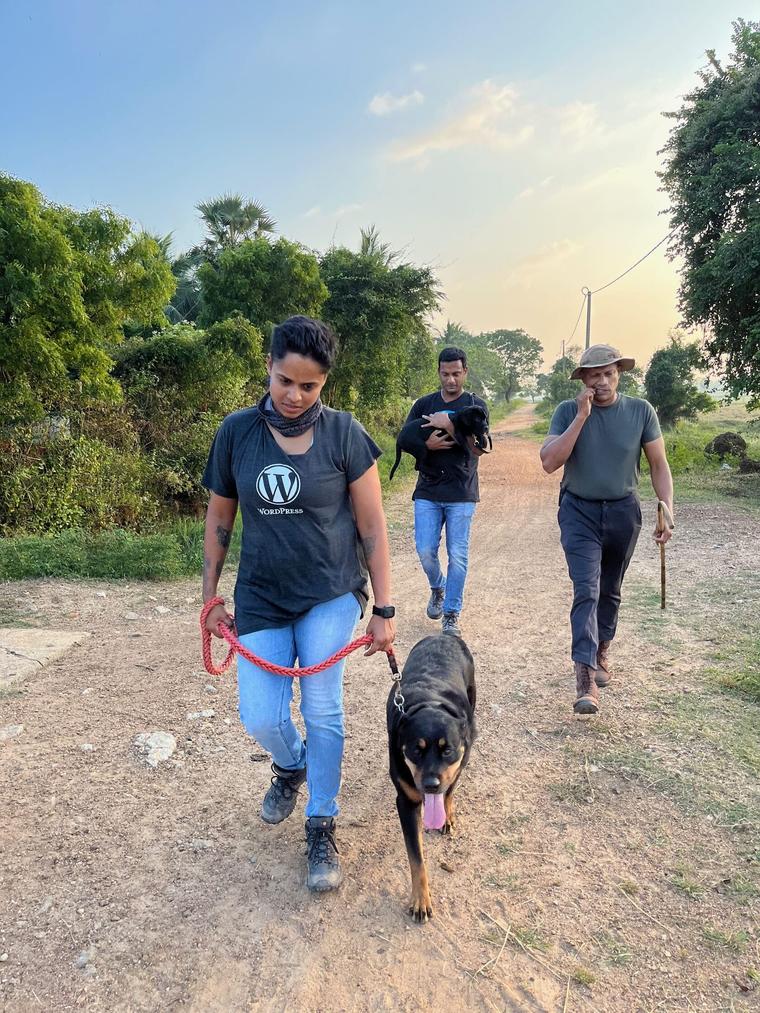
The VONFIDEL K9 process uses controlled training spaces, practical exposure, and real-world handling to move the dog from understanding to reliability. The land, the handler, the routine, and the timing all become part of the training system.
That is why the journey is structured from the first call to post-training support. The dog is not simply taught commands. The dog is given a clearer way to live with people.
Current route
New general intake has concluded. Existing clients should use continuing-client contact; selected specialist matters should begin with the consultancy scope and sufficient context for a responsible review.