

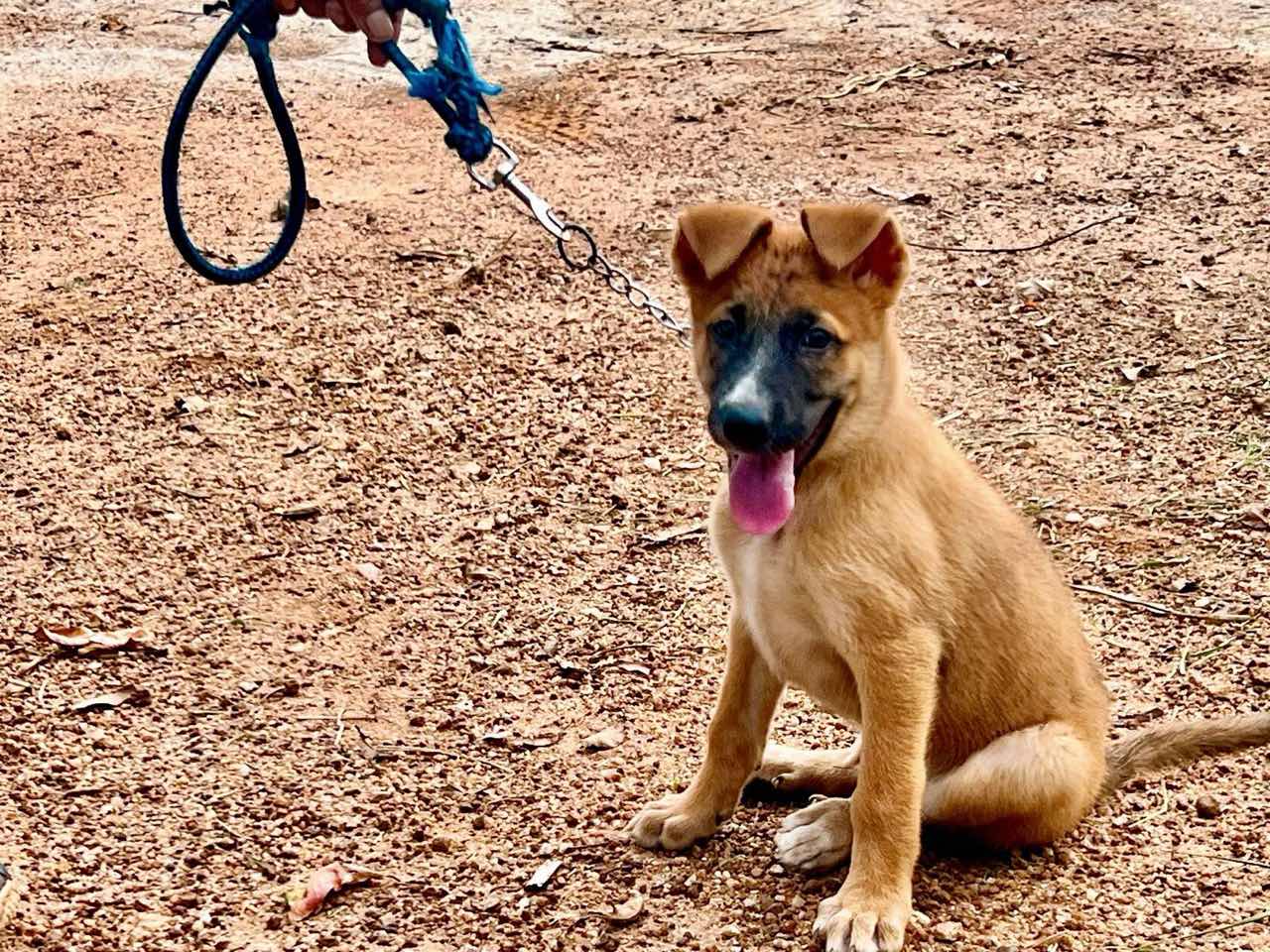
Puppy training begins on the first day the puppy lives with you. At that stage, training is not a formal obedience programme. It is the repeated experience of sleeping safely, toileting in the right place, following a person, accepting gentle handling, settling after activity, and discovering which behaviours make good things happen.
The early months matter because puppies are learning about the world at unusual speed. The American Veterinary Society of Animal Behavior identifies the first three months as the primary period for socialisation and supports safe, well-run puppy classes before the vaccination series is complete when appropriate health precautions are in place. The puppy’s own veterinarian should advise on disease risk, vaccinations, parasite control, and suitable environments in the local area.
“Socialisation” does not mean taking a puppy everywhere or allowing every person and dog to approach. The aim is a series of safe experiences the puppy can process. A quiet view of traffic from a distance may be more useful than being carried through a crowded event. Meeting one calm, healthy dog may teach more than entering a group where the puppy is overwhelmed.
Watch the puppy during and after each experience. Curiosity, loose movement, play, eating, and the ability to disengage are useful signs. Freezing, hiding, repeated escape attempts, frantic activity, refusal of food, or prolonged distress tell you the situation needs to become easier. Exposure that floods the puppy with fear can create sensitisation rather than confidence.
Useful foundations can be taught in short moments throughout the day:
- responding to a name;
- following a hand or person;
- settling on a mat;
- accepting a collar, lead, grooming, and gentle examination;
- releasing an object in exchange for something worthwhile;
- waiting briefly at doors and food bowls;
- resting comfortably in an appropriate pen or crate;
- being alone for short, carefully increased periods;
- toileting on a predictable routine.
Reward-based teaching is especially useful here because it helps the puppy understand what to repeat without adding unnecessary fear. Boundaries still matter. They are clearest when the household prevents rehearsals of unwanted behaviour, rewards the alternative, and follows the same rule consistently.
Puppy classes can add value when they are clean, controlled, age-appropriate, and run by somebody who can protect shy puppies from forced interaction. Ask how vaccination and sanitation are handled, how many puppies attend, what equipment is used, and what happens when a puppy shows fear. Avoid high-traffic areas used by dogs of unknown health status until your veterinarian says they are suitable.
There is no single timetable for every puppy. Breed tendencies, health, the quality of early rearing, age at rehoming, household structure, and individual temperament all influence the pace. A frightened, unusually withdrawn, highly reactive, or suddenly changed puppy should receive veterinary guidance. Where needed, the veterinarian can help identify an appropriately qualified behaviour professional.
Early training is valuable because it builds ordinary competence before the household is dealing with an adolescent dog at full strength. Begin gently, practise often, protect rest, and let the puppy’s behaviour tell you when the next step is small enough.
Further reading: American Veterinary Society of Animal Behavior, Puppy Socialization Position Statement: https://avsab.org/resources/position-statements/