
Measured exposure
The puppy is shown new conditions at a level where curiosity, recovery, and handler engagement can still remain intact.
General public intake is closed. Existing obligations and selected specialist consultancy follow the current K9 route.
Current rolePuppy development & early obedience
This page records how VONFIDEL K9 approached puppy development through calm structure, measured exposure, and owner handling before general intake closed.
What puppy training means here
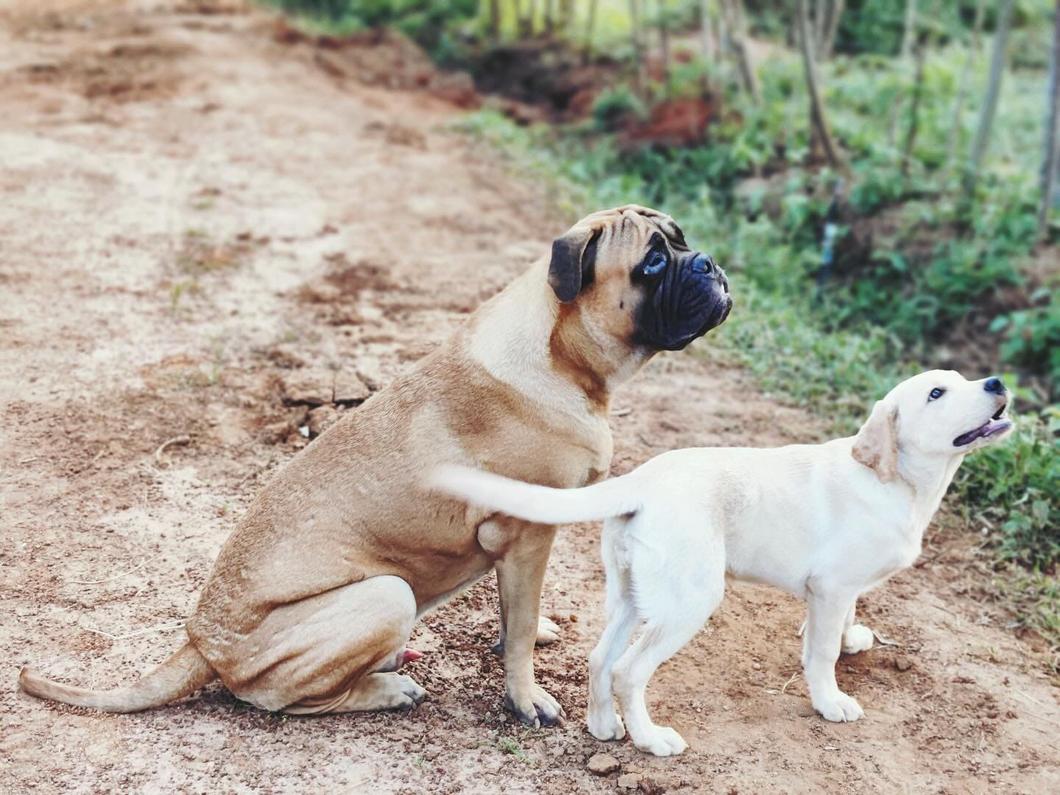
A puppy is not an unfinished adult dog. The early months need precision: enough structure to prevent bad rehearsal, enough patience to avoid pressure, and enough exposure to help the dog read the world.
Training is shaped around temperament, breed type, household expectations, owner habits, and the environments the puppy will have to live inside.
Development priorities
The programme is not a generic puppy class. It is a practical foundation for dogs who must grow into stable companions, household members, and in some cases more serious working prospects.
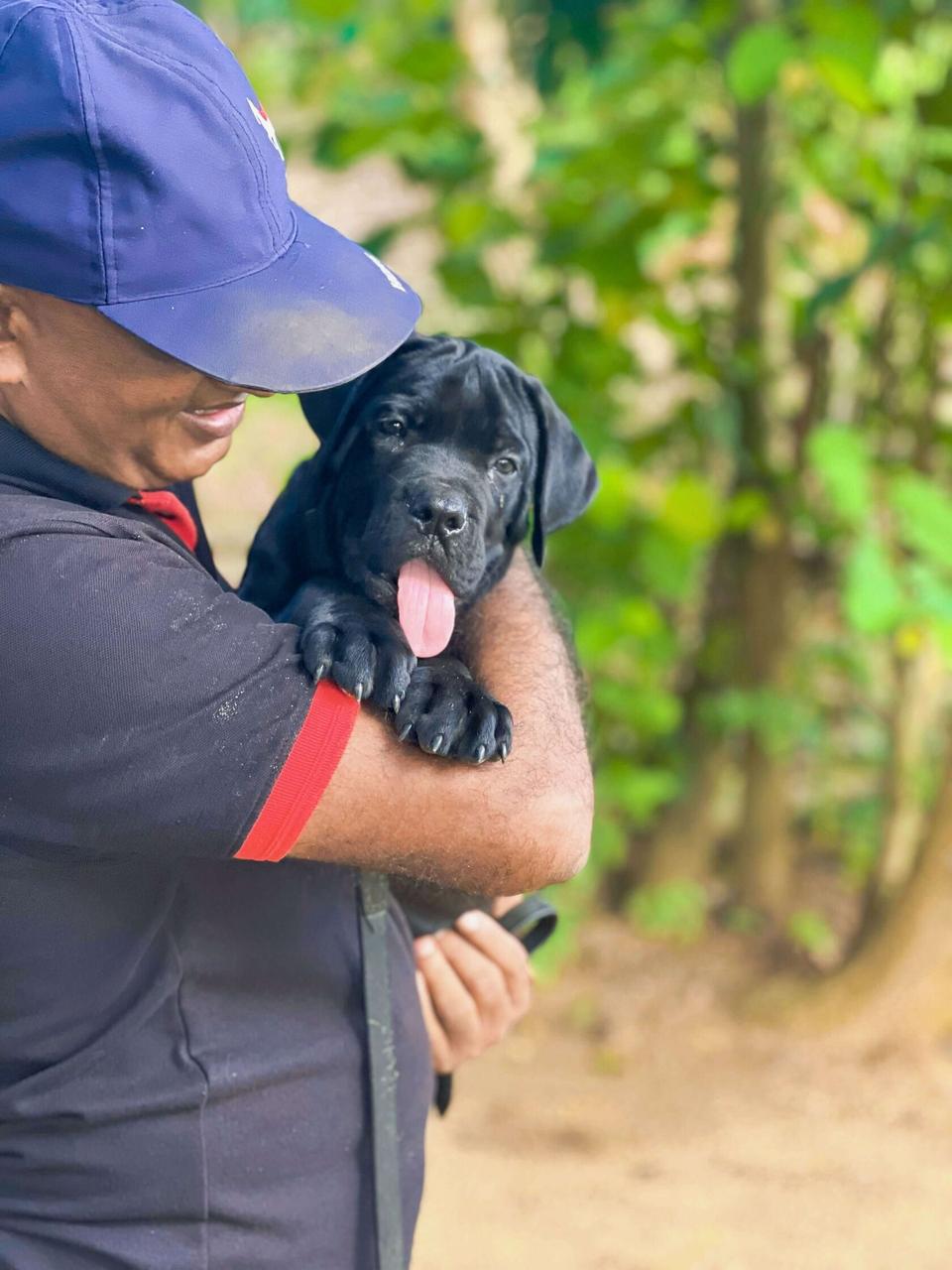
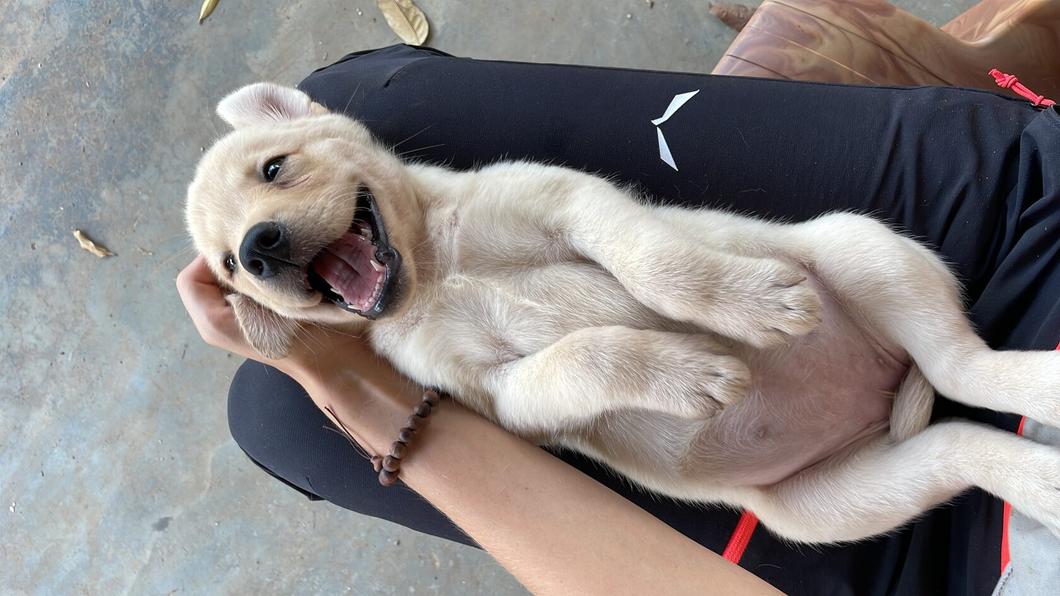
Comfort with touch, grooming, collar work, leash information, lifting, restraint, and routine veterinary-style handling.
Rest, crate or place familiarity, toileting rhythm, calm thresholds, feeding manners, visitor rules, and reduced rehearsal of nuisance behaviour.
Name response, recall foundations, leash beginnings, calm engagement, impulse control, and clear owner communication.
Socialisation standard
Good socialisation is controlled education. It does not mean letting every person touch the puppy, every dog crowd the puppy, or every environment overwhelm the puppy before the handler can explain it.
The puppy is shown new conditions at a level where curiosity, recovery, and handler engagement can still remain intact.
Dog-to-dog exposure is selected for temperament and purpose, not treated as random play or uncontrolled excitement.
The family learns what to allow, what to interrupt, and how to keep early confidence from becoming disorder.
Training evidence
Early training should make the future easier. The work is judged by whether the puppy becomes more readable, more recoverable, and easier for the owner to guide as the dog grows.
Training in motion
These videos are included as working evidence rather than spectacle. They show how the training has to leave the trainer and become readable for the person who will live with the dog.
A calm example of training being transferred back to the handler, where clarity and consistency matter as much as the dog's response.
A controlled view of owner handling after training, with attention on timing, position, and a dog that can work without theatrical pressure.
Owner responsibility
Most puppy problems are rehearsed quietly before they become dramatic. The owner must learn how to prevent mixed signals, protect rest, manage excitement, and keep the puppy from practising the wrong behaviour every day.
Current K9 route
This page remains as part of the VONFIDEL K9 professional record. New general puppy-training intake has concluded; review the current K9 role and engagement status before choosing a route.