
Puppy training
Early development for calmness, confidence, neutrality, communication, and emotional regulation before avoidable problems become rehearsed habits.
Read the puppy training recordGeneral public intake is closed. Existing obligations and selected specialist consultancy follow the current K9 route.
Current roleProfessional record
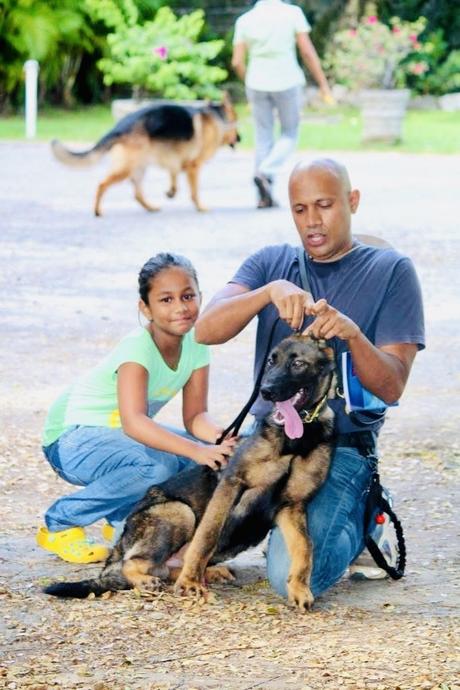
The established VONFIDEL K9 approach brought dog and handler into one training system. Temperament, environment, handler capability, and the reliability required after handover determined the pathway.
Established pathways
These pages document the established programme types and the standards applied to dogs, owners, families, and working environments. They do not reopen general intake.
Early development for calmness, confidence, neutrality, communication, and emotional regulation before avoidable problems become rehearsed habits.
Read the puppy training recordClear communication signals, reliable recall, composed handling, and practical control for owners who need a dog that understands its role.
Read the obedience recordAssessment and structured work for reactivity, anxiety, fear responses, and conflict behaviours.
Read the behaviour recordSuitability-led development centred on stability, neutrality, handler control, and responsible decision-making.
Read the protection recordHandler development
A training result weakens when the human side of the relationship is unclear. VONFIDEL K9 trained owners and handlers to maintain the dog's role after handover.
Boarding boundaries
Where a dog stays can shape behaviour long after it returns home. VONFIDEL K9 treats boarding as continuity for an established training relationship.
Standalone commercial boarding is unavailable. Current consideration is limited to dogs already known through an established VONFIDEL K9 training relationship and remains subject to the existing agreement, welfare, safety, availability, and the boarding policy.
A dog needs one or two stable, consistent handlers to form a clear bond. Too many changing hands can make some dogs insecure and vigilant.
Cleanliness matters, but calm matters too. The space should allow the dog's nervous system to settle rather than remain constantly stimulated.
Dogs signal stress through posture, breath, scanning, and tension. Handlers should see those signals and adjust calmly.
Unregulated group play can amplify anxiety. Social exposure should be deliberate and based on temperament, confidence, and maturity.
Your dog is not just returning to a place. They are returning to a role. The facility should help re-establish calm leadership and clarity.
A responsible boarding facility should answer these questions clearly. Its handling, environment, and re-entry plan should protect the dog's physical and emotional welfare.
Next step
New general dog-training intake has concluded. This page documents the established training approach; existing obligations and selected specialist consultancy follow the current K9 routes.
Last reviewed: 11 August 2026. General training intake and standalone boarding are closed; existing obligations and selected specialist consultancy remain subject to written scope and assessment.