

Aggression and reactivity
For dogs showing conflict around people, dogs, handling, thresholds, food, territory, or pressure.
General public intake is closed. Existing obligations and selected specialist consultancy follow the current K9 route.
Current roleThis page records how VONFIDEL K9 approached serious behavioural concerns through assessment, structure, owner transfer, and practical management before general intake closed.
Reactivity, fear, guarding, panic, biting risk, handling conflict, and instability often sit beneath the surface of ordinary commands. The work has to identify what is driving the behaviour before it can responsibly ask for change.
For dogs showing conflict around people, dogs, handling, thresholds, food, territory, or pressure.
For dogs that struggle with separation, confinement, sudden movement, travel, noise, change, or recovery after stress.
For homes where staff, children, visitors, gates, drivers, routines, or mixed handling styles create preventable risk.
The first question is not what command the dog knows. The first question is what the dog is doing, when it happens, what comes before it, how the dog recovers, and what the handler or environment is reinforcing.
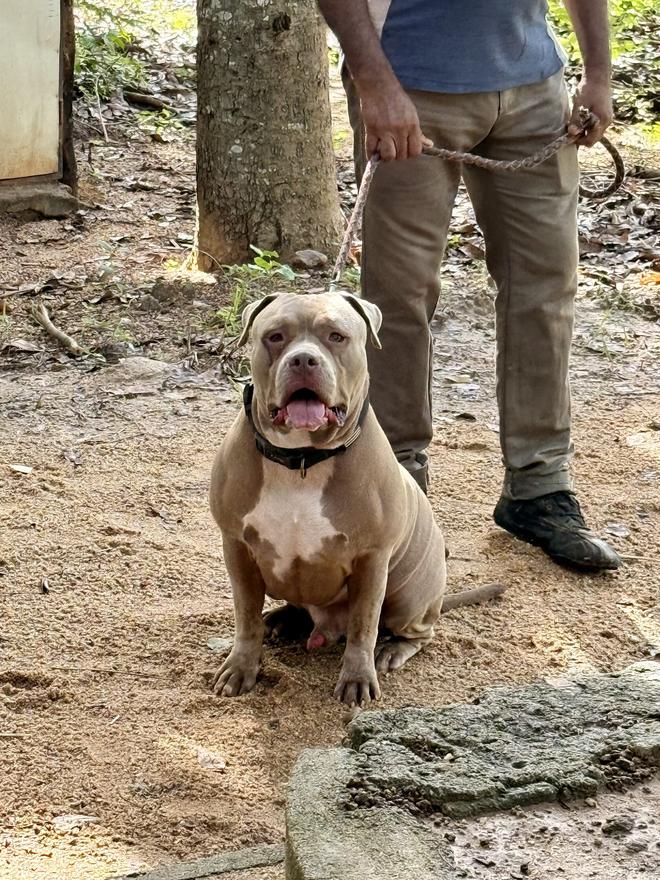
Rehabilitation is not a performance routine. It is a controlled process of reducing confusion, rebuilding handler information, creating safer choices, and testing whether the improvement holds under realistic conditions.
The dog’s history, incidents, triggers, household structure, routines, health considerations, and handler patterns are reviewed.
Before behaviour is challenged, the environment must become more predictable: access, thresholds, equipment, handling rules, and household responsibilities.
The dog learns clearer information, steadier responses, and better recovery while the handler learns timing, pressure, release, and consistency.
The final standard has to be practical enough for the owner or household to maintain after the dog returns home.
Some cases improve substantially. Some require lifelong management. Some are not suitable for the owner’s expectation, household, or environment. A serious assessment should make those limits clearer, not hide them behind reassurance.
These short training records are included with restraint. They show rehabilitation as practical handling, timing, recovery, and owner transfer rather than a promise that every case becomes simple.
A controlled view of behaviour work where the dog is asked for clearer responses without turning the session into theatre.
A quieter example of a dog becoming more available to the handler through structure, repetition, and better communication.
This page remains part of the professional record, not an open general-training programme. Selected specialist matters may begin with the consultancy scope; existing clients should use continuing-client contact.