
Focus under distraction
The dog learns to listen when the environment becomes more interesting than the handler.
General public intake is closed. Existing obligations and selected specialist consultancy follow the current K9 route.
Current role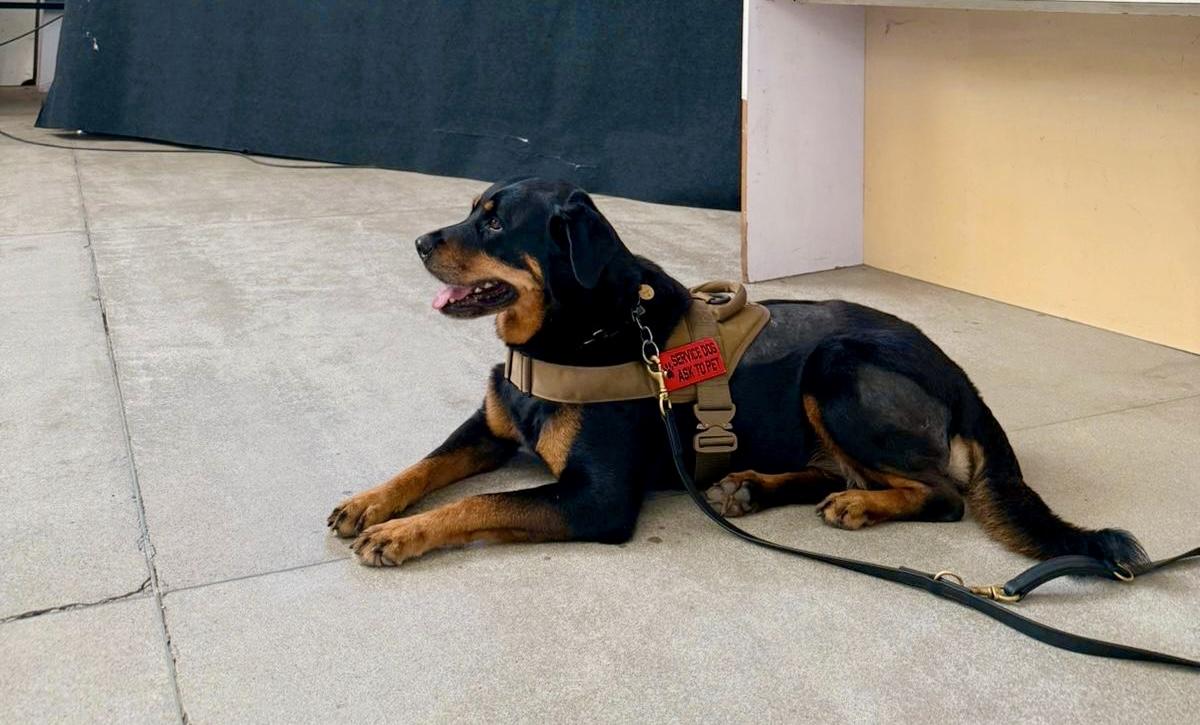
Obedience and control
This page records how VONFIDEL K9 developed practical obedience through calm handling, clear communication, controlled environments, and owner transfer before general intake closed.
Training philosophy
Obedience is not simply a list of commands. It is the relationship between the dog's understanding, the handler's timing, and the environment in which the dog is expected to respond. VONFIDEL K9 builds that relationship with structure, repetition, and calm authority.

What the training develops
The programme was shaped around the individual dog. Foundation work may include household manners, leash control, recall, stays, handler focus, impulse control, and steadier behaviour around people, animals, and movement.
The dog learns to listen when the environment becomes more interesting than the handler.
Reliable obedience is easier to maintain when the dog understands the handler and the handler understands the dog.
Early structure helps young dogs grow into calmer companions with better impulse control and clearer boundaries.
Training structure
Obedience work is structured so the dog is not rushed and the owner is not left guessing. Each stage exists to make the next stage more stable.
We review temperament, current behaviour, owner goals, and the environment where the dog must live and respond.
The work is shaped around the dog's age, drive, confidence, habits, and suitability for the required outcome.
Owners are guided on handling, boundaries, reinforcement, and the responsibilities that protect the training.
Who it is for
The retained record makes no promise of instant transformation. Results depended on the owner's willingness to continue the standard after the dog returned home.
Training evidence
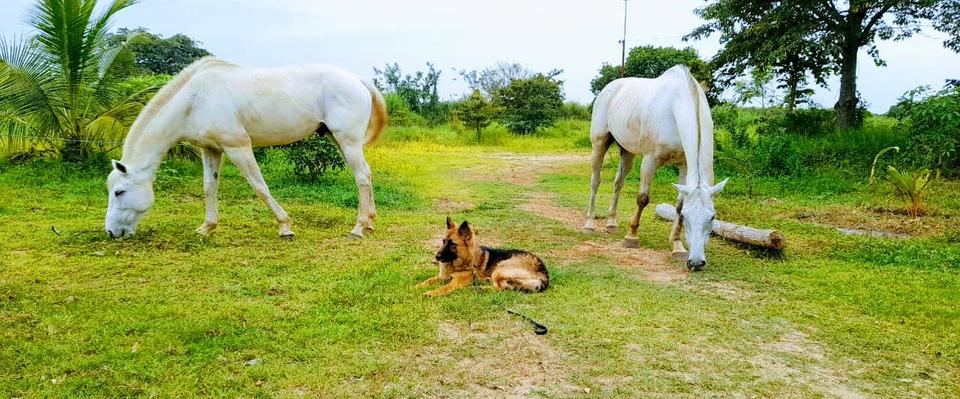
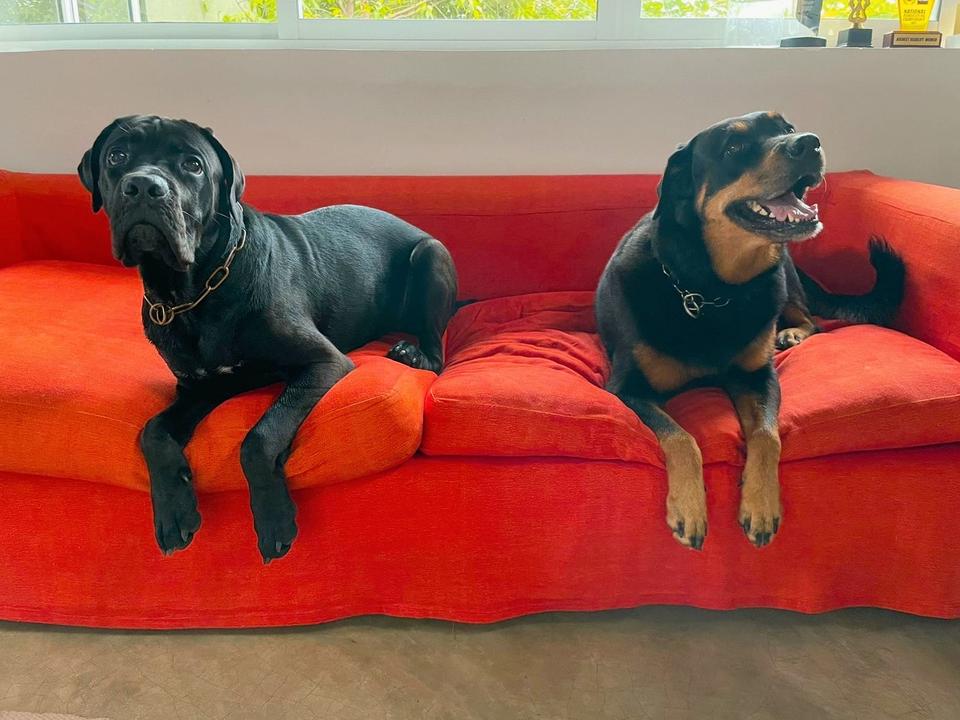
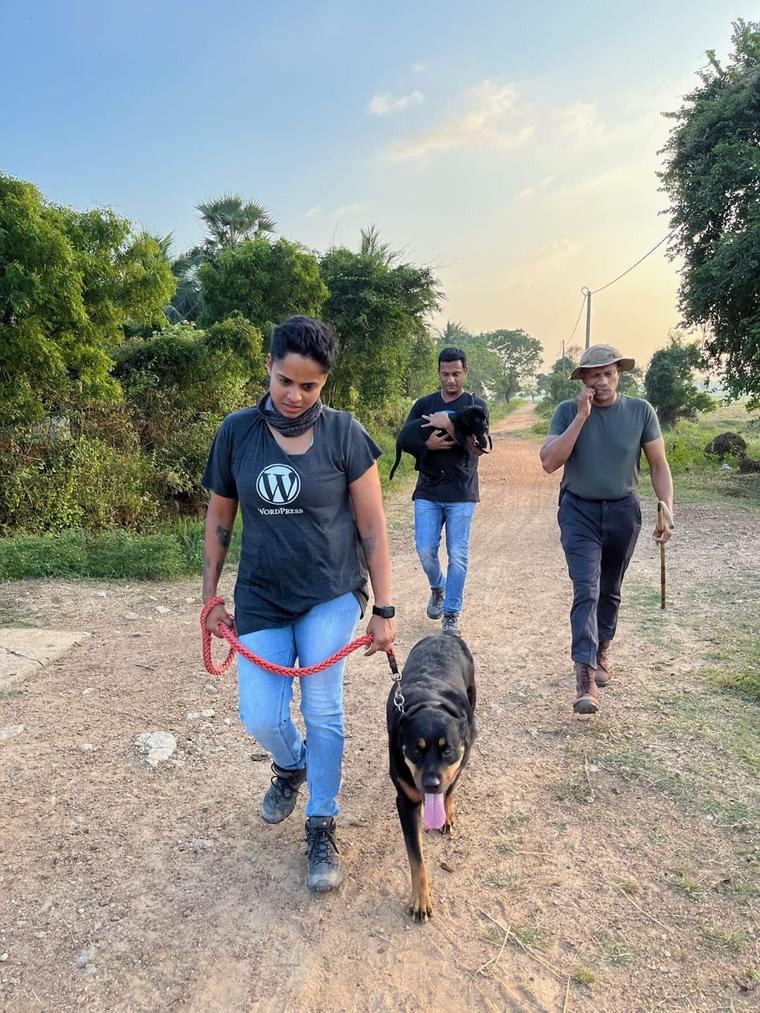
The images below document obedience in practical settings: dogs holding position, working around other animals, relaxing in a home environment, and learning through handler guidance.
Professional record
VONFIDEL K9 can build structure, but the home environment must support it. The owner's timing, consistency, boundaries, and expectations will influence how well the dog keeps the training after handover.
Dogs do not return home as finished machines. They return with clearer patterns, better communication, and a standard that must be protected by the handler.
Next step
This page remains part of the professional record. Existing clients and selected specialist matters should follow the current routes described on the K9 page.